


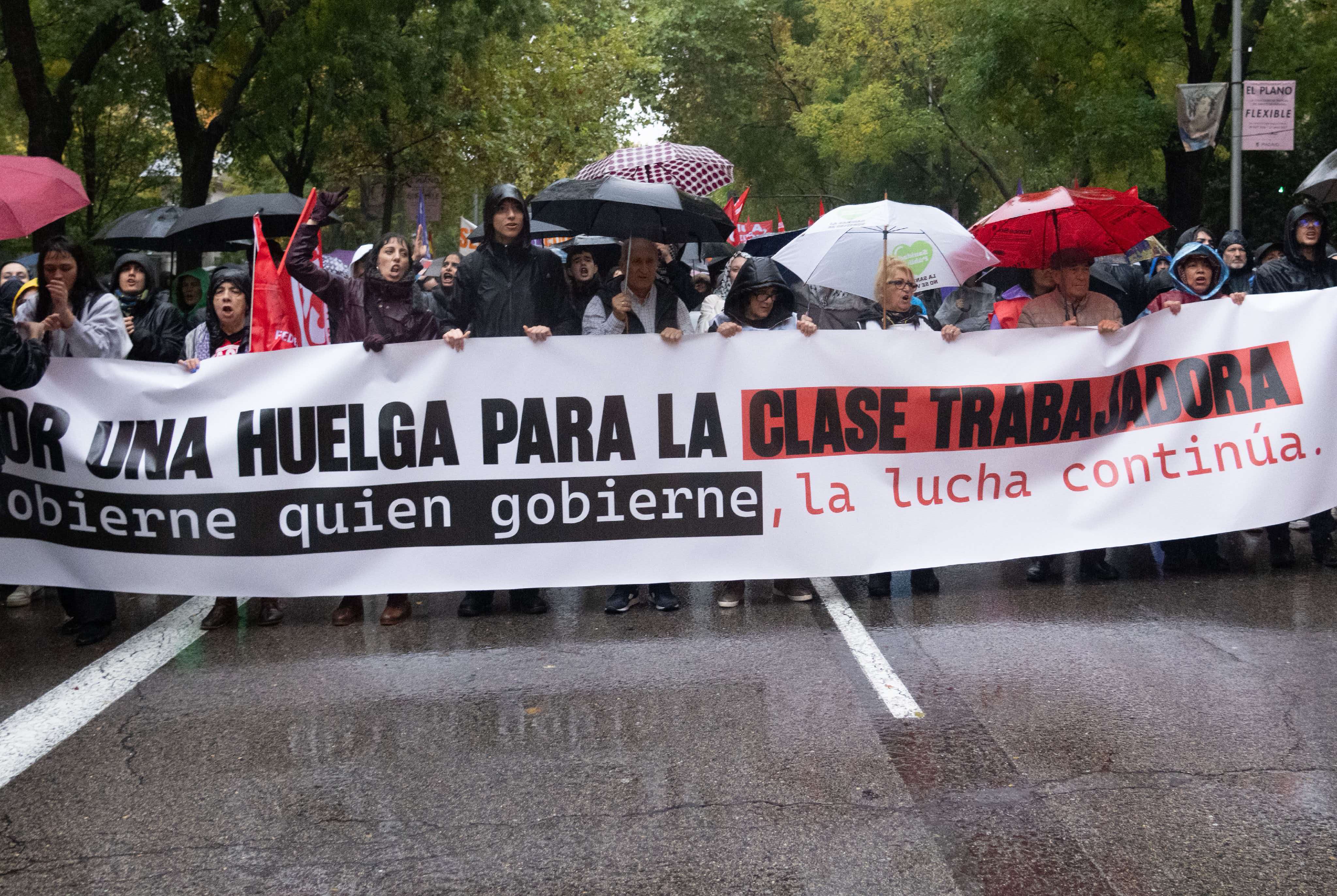
On November 11, Spain experienced its first large-scale, nationwide strike and series of demonstrations in 14 years. Estimates regarding the number of participants vary significantly: labor unions initially estimated that approximately 4 million workers took part, with some tenant organizations suggesting the figure could be as high as 5 million. Conversely, employers' associations argued that overall participation was low, noting that most sectors continued to operate largely as normal, with significant variations in participation levels across different regions and industries. The strike, which spanned major cities throughout the country, led to widespread transport disruptions, localized street clashes, and the suspension of business activities. Occurring just ahead of the snap parliamentary elections scheduled for November 29, the event has become a focal point of social and public concern in Spain.
The nationwide strike was jointly organized by Spain’s two primary labor unions—the Workers' Commissions (CCOO) and the General Union of Workers (UGT)—with demands centered on urgent livelihood issues. In recent years, Spain has faced soaring rents, a severe shortage of affordable housing, and a high cost of living, all compounded by the eroding purchasing power of wages—a combination that has fueled growing social discontent. The death of an 87-year-old tenant following an eviction earlier this year served as a major flashpoint, intensifying public anger and acting as a key catalyst for this large-scale mobilization. Furthermore, protesters have called on the government to improve public services and implement effective policies to safeguard the well-being of the population and alleviate the pressures faced by the most vulnerable. The strike saw the highest level of participation in the automotive manufacturing and port logistics sectors, with some factories and ports reporting participation rates as high as 90%; generally, coastal regions saw higher levels of participation than the interior.
The wave of strikes swept through major Spanish cities, including Madrid, Barcelona, Málaga, and Valladolid, creating tense situations in many areas. Large numbers of protesters took to the streets, with some blocking roads and gathering to demonstrate; in a few locations, these actions escalated into confrontations between protesters and the police. According to official reports, as of the afternoon of the 11th, dozens of people across the country had been arrested by police for alleged offenses including disturbing public order, resisting law enforcement, and assaulting police officers—though figures on the exact number of arrests vary slightly between different media outlets.
The strike has dealt a severe blow to Spain’s transport system, placing immense strain on public services across land, sea, and air. The Spanish General Directorate of Traffic reported that multiple highways and major urban thoroughfares—notably in Madrid and the autonomous community of Catalonia—were blocked, leading to widespread paralysis of urban traffic. Railway transport was hit particularly hard, with approximately 24% of high-speed and long-distance train services nationwide canceled, and over 10% of commuter rail services suspended. Meanwhile, a large number of flights were canceled, and operations at key transport hubs—such as the Port of Barcelona and various railway stations—were disrupted, severely restricting both public travel and interregional logistics.
Notably, this strike coincides with a critical juncture in Spanish politics. Following the failure of two key government housing reform decrees in parliament, Prime Minister Pedro Sánchez announced on October 5 that parliamentary elections would be held early, with voting scheduled for November 29. The combination of hardships affecting the public and ongoing political maneuvering has heightened the social and political significance of this strike, placing substantial pressure on the ruling party regarding the future implementation of policies related to the public's well-being.
At present, order is gradually being restored across Spain, though neither labor and management representatives nor the government have yet reached a specific resolution. Industry analysts suggest that this large-scale strike has laid bare deep-seated deficiencies within Spain’s housing system, wage distribution, and public services. With the general election approaching, issues concerning the public's livelihood are likely to become the central focus of the campaign, and the direction of future government policy is drawing close attention from all sectors of society.
